Hi Agi!
What kind of bottom surface conditions exist where you want to anchor is key to selecting the better anchor to use.
Anchoring in mud, silt, sand, pebbles, fist sized rocks, boulders, shelf rock, sea grass or coral can all impact the kind of anchor to use. So it’s not a one size fits all kind of thing. There is also the aspect of certain legal restrictions in protected maritime environments where it may not be possible to anchor at all. What?! Yup! When one drops anchor there are several things to consider.
(The actual anchor generally works best when used with an appropriate gauge & length of chain so that the shank can remain parallel to the seabed. This allows the flukes of the anchor to properly ‘bite’ into the bottom surface to become a ‘fixation’ point. Simple enough, but boats move around on the top of the water… wind, waves, currents, tides …. these all cause the boat to basically circle the ‘fixation’ point provided by the properly ‘set’ anchor. The chain that lies on the sea bottom pretty much sweeps the surrounding seabed as the boat repeatedly changes its surface position. This does immediate damage any plant and/or aquatic life that the chain comes into contact with sort of like a slow motion weed whacker which is why there are increasing restrictions, especially in sensitive protected environments such as where there is sea grass and coral, on where one can drop anchor. Those types of restrictions are becoming more common as tge repeated damage caused by boat anchoring has become more and more evident. It’s something to be aware of to check out if there are specific areas you are intending on visiting or frequenting.)
Getting back to anchor type selection… One of the best aids I’ve come across in selecting an anchor appropriate to bottom conditions was done by SV Panope
https://www.google.com/gasearch?q=ancho ... Fuk3U,st:0
He’s done a very good job of real world testing a large variety of anchors in a variety of real world bottom types.
It’s worth looking at to help understand what’s happening.
Here is I believe the most current results chart from SV Panope Episode 141
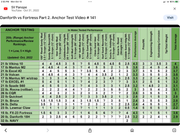
Just an additional note… personally I feel that there’s never going to be one anchor that ‘actually does it all’.
We primarily utilize a Danforth here in coastal South Carolina as our area is predominantly sand/silt/mud which the Danforth excels at.
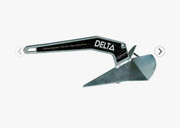
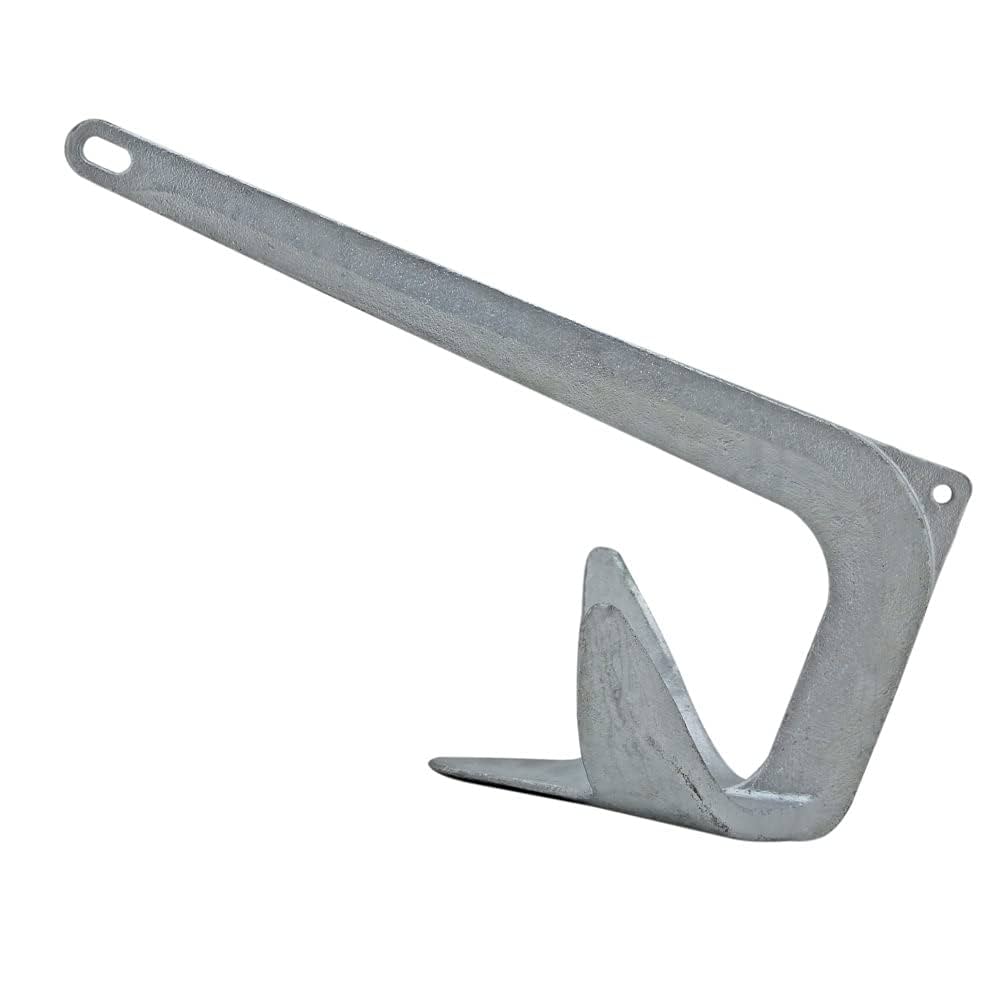
When bottom conditions change to harder materials we utilize a pivoting CQR anchor.
In one instance we utilized both anchors with a ‘Y’ bridle. (It worked fine but took time to unwind the rodes)
We utilize a 12-to-15 ft length of 5/16 inch dia galvanized link chain on a 1/2 inch dia 250 ft nylon rode.
Best Regards
Over Easy

Some additional information:
Anchor chain damage negatively affects a variety of seabed habitats worldwide:
Coral reefs: Anchor chains can break or stress corals, which are fragile and slow-growing. The loss of coral reduces the complex, three-dimensional structure of the reef, negatively impacting the biodiversity that relies on the habitat for shelter and food.
Seagrass meadows: Often referred to as nurseries for marine life, these vital habitats are highly vulnerable to being ripped out by dragging chains.
Rhodolith beds: These areas are made up of calcified red algae and are important habitats for many species. They are easily damaged by mechanical disturbance.
Sponge colonies: In a variety of different regions several studies have documented anchor damage to giant, century-old sponge colonies, which are particularly vulnerable to mechanical disturbance.
How anchor chains cause damage:
Dragging and scouring: When a vessel is anchored, wind and currents can cause it to move or "swing." This movement drags the heavy anchor chain across the seafloor, creating long, barren scour marks. This dragging action can destroy delicate ecosystems like seagrass meadows, coral reefs, and sponge gardens.
Crushing: The heavy links of an anchor chain can crush and dislodge fragile marine organisms upon impact. In areas with hard corals, which can take decades to grow, a single strike from a chain can cause devastating damage that takes many years to recover.
Excavation and displacement: For larger, high-tonnage vessels, anchoring can physically excavate the seabed, displacing large volumes of sediment. One 2022 study in New Zealand found that a single large ship could excavate the seabed by up to 80 cm, displacing up to 2,800 cubic meters of sediment. This disturbance can alter sedimentation patterns and destroy soft-sediment habitats.
Retrieval damage: As the anchor and chain are retrieved, they can snag and entangle objects and marine life on the seabed, causing additional destruction.




 .
.