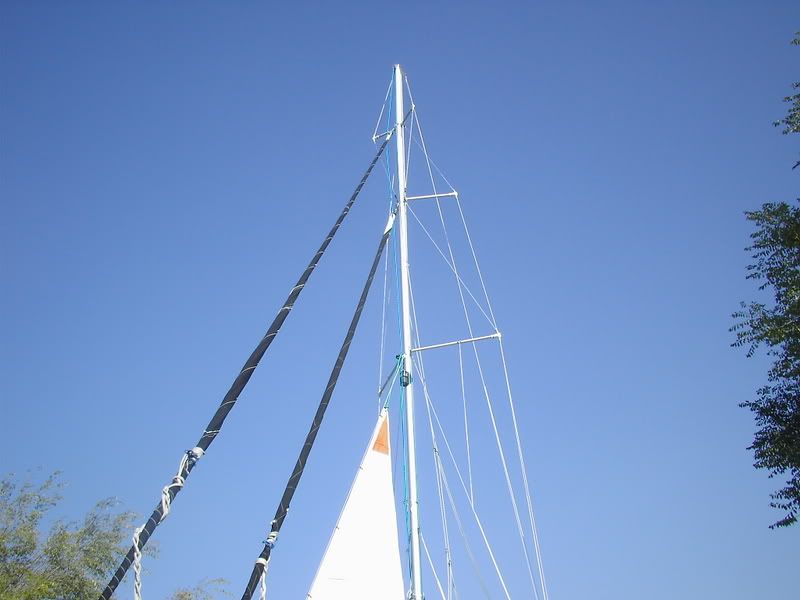
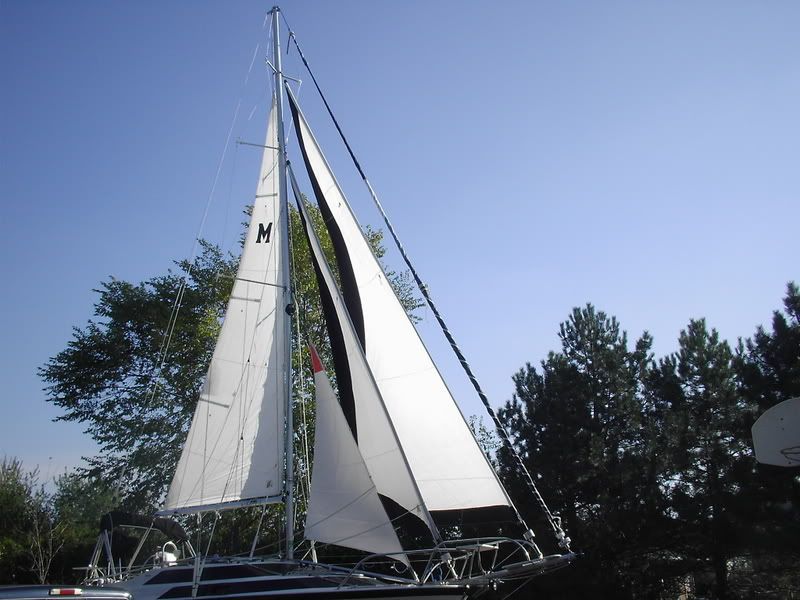
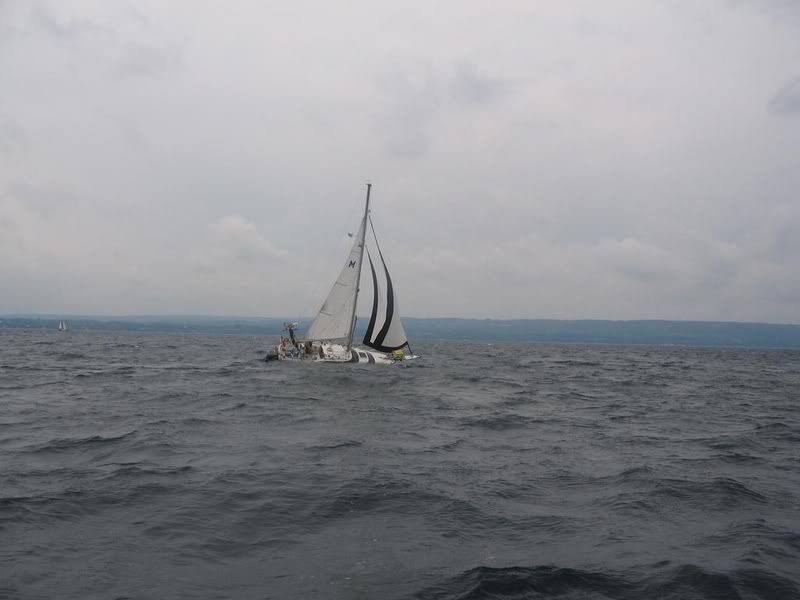
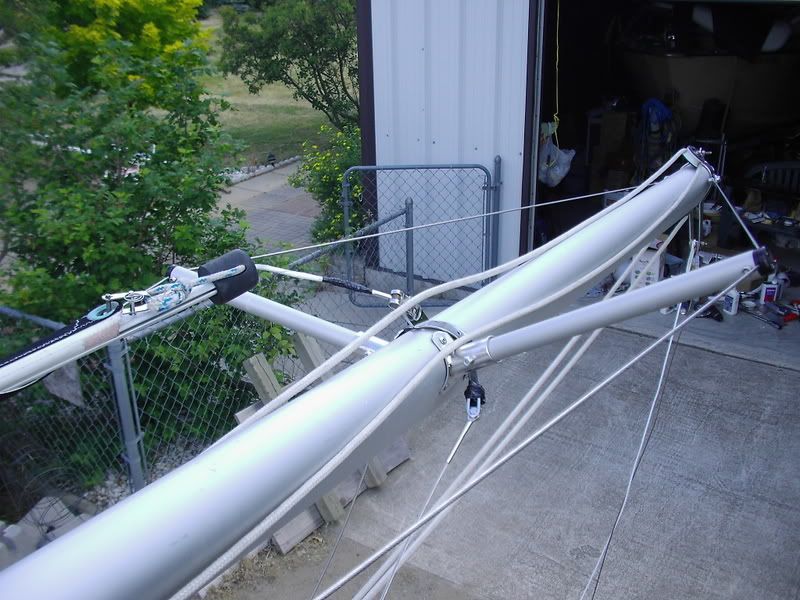
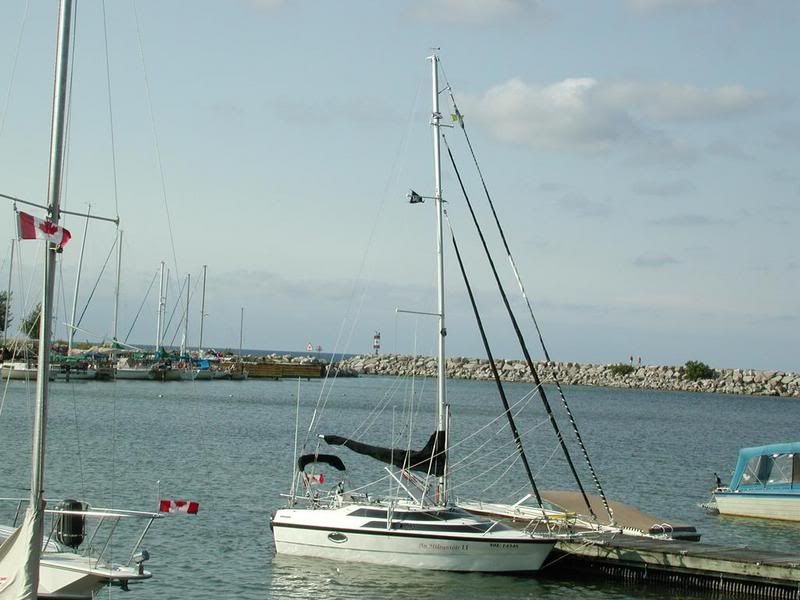
The M does not need a backstay in any normally rigged situation - the numbers on the M rig on paper claimed the boat would break before the rig would but even Roger himself did not believe it so he had the first M boats built with backstays and after numerous design changes over time the numbers have been proven by the factory and users that the rig is strong enough to pitch pole the boat. That's almost TOO strong - that means if you held the boat in one place in the water and pulled on the mast forward it would actually bury the bow of the boat into the water and flip the boat before it would break the rig.NiceAft wrote:John said:If that is the case, why install a backstay at all?I think it would b sufficient if u r just using it for a jib or storm jib for heading up-wind‘s sailing configuration works fine.
I’m having a difficult time understanding why anyone believes the
Ray
Mastreb proved it to himself by trying to take a marker buoy into port with him by hooking it with a mast spreader. The boat stopped dead like as if it hit a concrete wall and nearly pulled the boat under water. He bent the mast and a spreader.
The boat is just too light to break the wires - there is enough wire there to lift the entire boat right out of the water. You don't need any more wires.
Highlander is stacking headsails on his mast so he is attaching a lot of horsepower up higher than the stock jib hound. He has stacked two more working sails up even higher on the mast so the top of his mast is really doing a lot of work that a normal M boat mast does not do. In his case the backstay is to keep him from bending the top of the mast and messing up the rearward bend that the mast is supposed to have for a good mainsail angle. In his case the backstay makes sense.


 sitting in a herd of


 or
or