Hi Dustoff!
Nice analysis! Thanks!
It’s the reason most power boats went to chopper gun spray hull construction decades ago.
Simplified construction with lower labor cost as lower skilled personnel could be utilized.
Today the process is to spend on front end automation tooling like robotics to do the spraying.
The problem is chopper spray makes heavy boats and trailerable sailboats tend to require lighter construction to function.
Chopper spray gets its strength from bulk which isn’t a bad thing as a power boat is basically designed to pound its way through its operational life. That’s why sailboats typically use fabric layup to get the strength needed without the weight.
Getting a robot to lay-in and conform to compound mold structure multiple fabric layers and types and orientations of fiberglass cloth and mat isn’t an easy task. The flimsy nature of fiberglass sheet and mat make it a daunting proposition.
The high cost of resins exacerbated by the current state of affairs isn’t gonna make it any easier nor will that be expected to change much in the future other than continue to increase. That pushes the technology into vacuum bagging infusion processes to minimize material costs as well as weight and the lower associated labor inherent with vac-bag. (Note: There are also benefits with reduced VOC release and reduced environmental aspects but that’s another topic). But vac-bag introduces other consumable material costs to the equations.
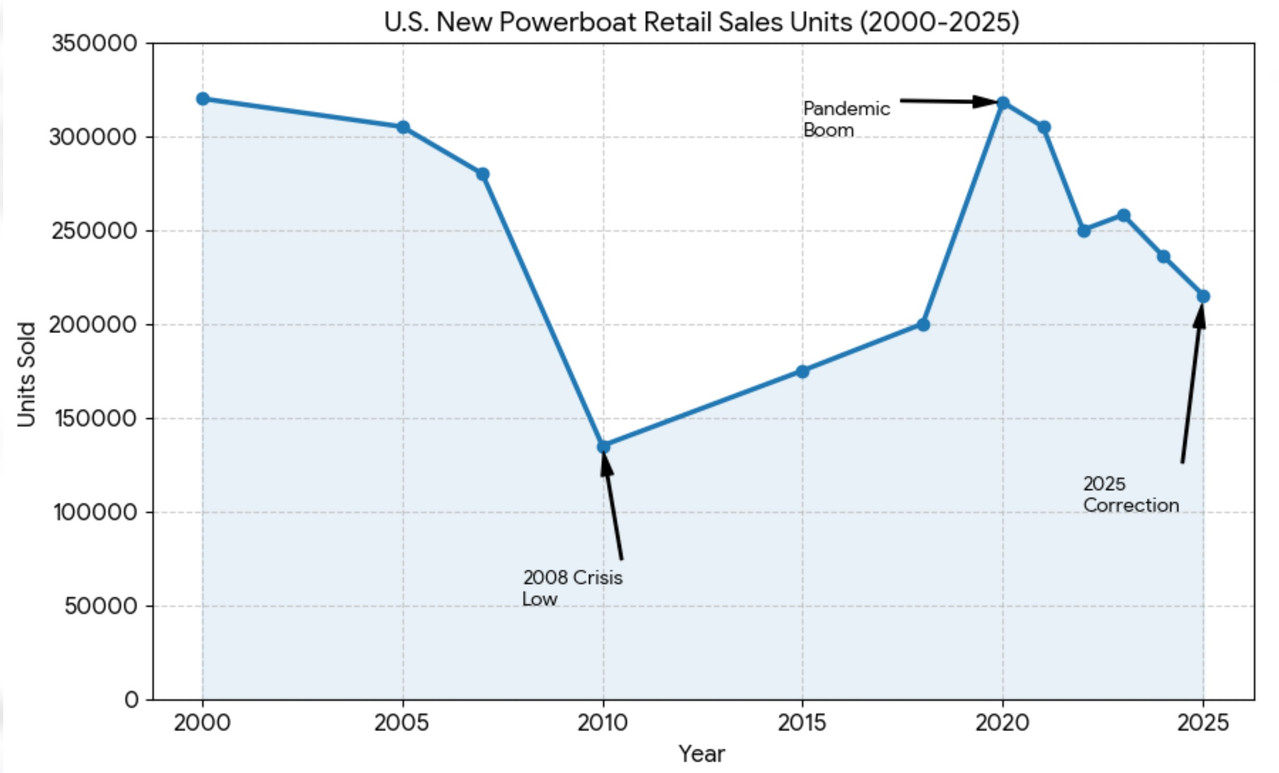
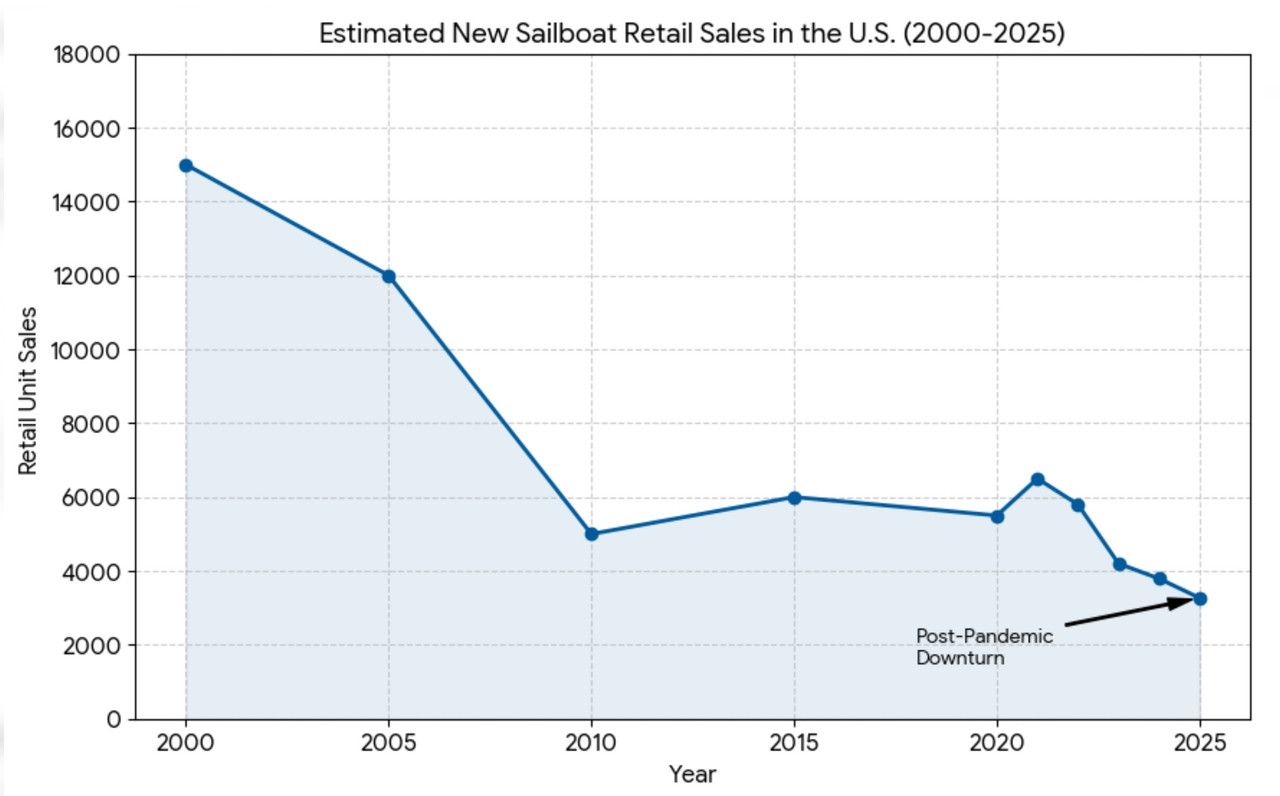
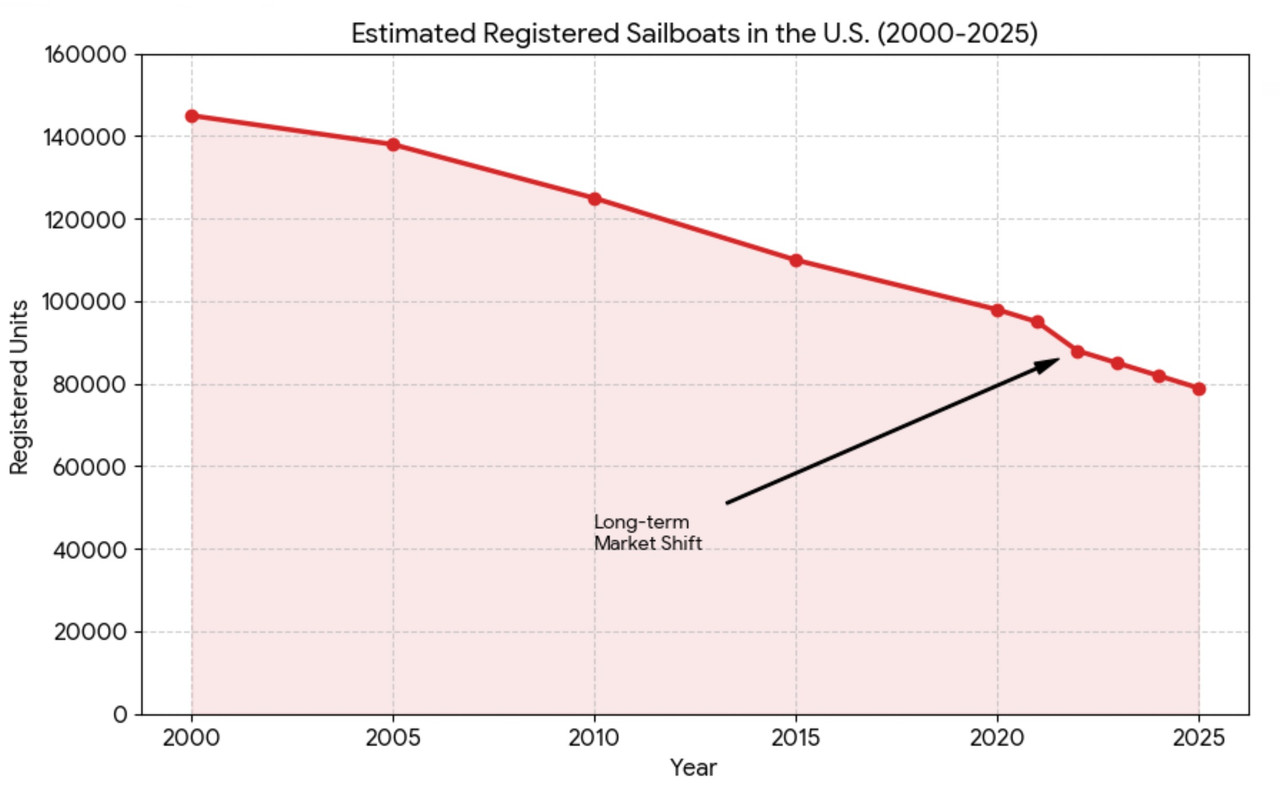
As Russ pointed out the social space has changed. People just want to have the experience for the moment of adrenaline rush to a larger extent, not the time for setup, maintenance and operation or actual skill development. (In some ways I’m guilty of a bit of that in that we use our Mac26X primarily as a cruiser given my physical limitations and that it’s hard to sail in tidal estuaries and rivers.)
The times they are a changing….
Best Regard
Over Easy