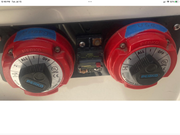
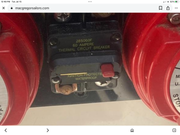
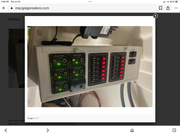
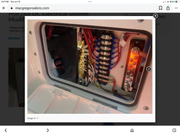
In my engineering practice I have always made sure that every circuit is protected.
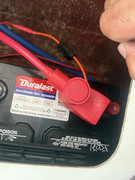
The relevant ABYC recommendation is that there be a fuse or circuit breaker within 7” of the positive battery terminal.
There are good, reasonable a well thought out reasons for that recommendation.
Generally as a result of investigations into incidents of harm and injury.
Getting away with something isn’t the same as doing it right.
The couple of bucks to get several battery terminal fuses (one for each battery and spares) is a small inconvenience vs dealing with an electrical short out on the water in a plastic boat carrying several gallons of fuel aboard.
One will not have the time nor the means to adequately handle a wiring short circuit below deck, behind panels or in all the other inaccessible locations were wiring is routed.
The wiring cables between the battery/“Perko” switch and the engine typically is routed under the interior cabin floor in the bilge areas under the aft berth on MacGregors. These areas are not readily accessed nor are they readily inspected. Water ingress, wires sitting in water, wires moving back/forth, chaffing of insulation are common. The use of non marine grade wire and insulations appropriate for resisting fuel, oil, water, salt are also unfortunately common. These aspects can/do lead to compromised wiring and potential short circuits.
A properly wired cabling to your engine WITH a properly sized fuse or circuit breaker is the only appropriate approach to protect your boat and those on board.
Unfortunately there are not firm specific legal code requirements like there are for residential and industrial facilities, but that does not replace the need to do what is right.
It’s your boat and I can only recommend and implore to have individuals to do what it takes to do what is appropriate.
My professional career has unfortunately caused me to deal with the avoidable aftermaths of things not done to code of best practices by others.
Best Regards,
Over Easy